
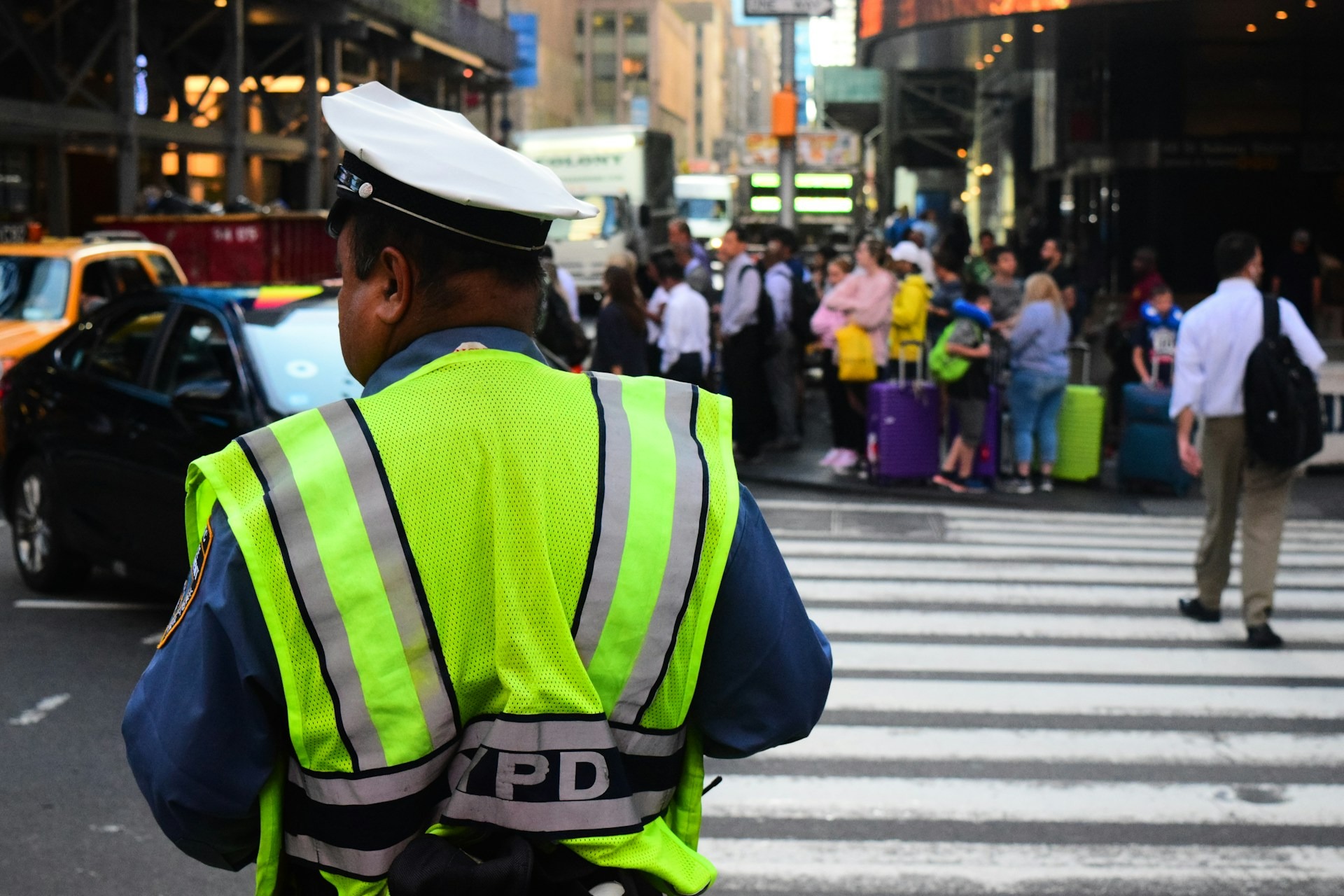
Traffic control is one of the most essential components of modern urban planning and public safety management. Every day, millions of vehicles, cyclists, and pedestrians share roads and intersections across the world. Without effective systems to regulate this movement, chaos would ensue, resulting in increased accidents, congestion, and fatalities. Traffic control encompasses a wide range of measures—from road signs and traffic signals to law enforcement and digital monitoring systems—all designed to ensure safe, efficient, and predictable transportation. Understanding the importance of traffic control is vital not only for government agencies but also for every individual who uses public roads.
Promoting Safety and Preventing Accidents
The most direct and critical function of traffic control is the prevention of accidents. When drivers, cyclists, and pedestrians understand and follow established traffic rules, the likelihood of collisions is significantly reduced. Traffic signals, stop signs, and speed limits are not arbitrary; they are strategically designed based on scientific studies of human reaction times, vehicle dynamics, and accident patterns.
For example, traffic lights regulate the flow of vehicles through intersections—some of the most accident-prone areas—by assigning right-of-way and preventing conflicts between opposing directions of travel. Similarly, speed limits are calibrated to ensure that vehicles can safely navigate curves, pedestrian zones, and high-traffic areas. In areas where speed limits are rigorously enforced, data consistently shows a reduction in both the frequency and severity of crashes.
Pedestrian safety is another vital aspect of traffic control. Crosswalks, pedestrian signals, and designated walking paths help separate vehicular and pedestrian traffic, minimizing the risk of injury. The rise in distracted driving and smartphone use has made these safety features more important than ever. By ensuring visibility and predictability, effective traffic control saves countless lives each year.
Managing Traffic Flow and Reducing Congestion
Beyond safety, traffic control plays a key role in managing the efficiency of transportation systems. Poorly controlled traffic not only leads to frustration but also to economic losses and environmental harm. Traffic congestion wastes time, increases fuel consumption, and raises vehicle emissions—all of which have serious implications for both the economy and public health.
Modern traffic management systems use advanced technologies such as adaptive traffic signals, real-time traffic monitoring, and GPS-based navigation tools to optimize the movement of vehicles. Adaptive signal control systems, for instance, can adjust the timing of green lights based on current traffic conditions, helping to reduce bottlenecks during peak hours. Intelligent transportation systems (ITS) also integrate data from sensors, cameras, and satellites to provide live traffic updates and rerouting suggestions to drivers through navigation apps.
When traffic flows smoothly, emergency vehicles can reach their destinations faster, public transportation becomes more reliable, and the overall quality of urban life improves. Thus, efficient traffic control is not merely a convenience but a necessity for sustainable city living.
Supporting Emergency Response and Public Events
Another critical aspect of traffic control is its role in emergency response. During accidents, natural disasters, or large public gatherings, traffic management becomes a matter of life and death. Emergency responders depend on clear, unobstructed routes to reach people in need. Without coordinated traffic control, gridlock could delay ambulances, fire trucks, and police vehicles—potentially costing lives.
In large-scale events such as parades, concerts, or sporting matches, temporary traffic control measures are often implemented to manage the sudden influx of vehicles and pedestrians. Barricades, detours, and designated parking zones help maintain order and minimize disruption. Law enforcement and event organizers often collaborate to plan these controls in advance, ensuring the safety of participants and spectators alike.
Effective traffic management during emergencies also includes the dissemination of information to the public. Digital signage, radio alerts, and mobile notifications guide drivers away from hazardous or congested areas, helping authorities restore normal traffic conditions as quickly as possible.
Enhancing Law Enforcement and Public Compliance
Traffic control is also a powerful tool for law enforcement. Regulations such as speed limits, seatbelt requirements, and drunk-driving laws protect the public, but they rely on effective enforcement to be meaningful. Police officers, traffic cameras, and automated systems play a crucial role in ensuring compliance.
The presence of enforcement measures—whether visible patrols or automated red-light cameras—has a proven deterrent effect on reckless driving. Furthermore, the data collected through these systems helps authorities identify high-risk areas, plan infrastructure improvements, and implement targeted safety campaigns. Public education initiatives complement enforcement by informing citizens about the reasons behind traffic rules and the potential consequences of violating them.
Ultimately, effective traffic control depends on the cooperation between law enforcement agencies and the public. A culture of compliance and mutual respect on the roads fosters safer environments for everyone.
The Role of Technology in Modern Traffic Control
Technological advancements have transformed how traffic is monitored and managed. Smart traffic lights, AI-driven analytics, and connected vehicle systems represent the future of traffic control. For instance, many cities are now implementing smart intersections that use cameras and sensors to detect vehicles, cyclists, and pedestrians in real time, allowing for more responsive signal changes.
Responsive traffic control systems go a step further by dynamically adjusting signal patterns based on actual traffic density, weather conditions, or even emergency vehicle routes, ensuring that urban transportation networks remain fluid and adaptable. Artificial intelligence can analyze vast amounts of traffic data to predict congestion patterns and optimize signal timing accordingly. Meanwhile, connected and autonomous vehicles communicate directly with traffic management systems, exchanging data about speed, location, and route conditions. These innovations have the potential to drastically reduce human error—the leading cause of most road accidents—and make transportation safer and more efficient than ever before.
Environmental and Economic Benefits
Effective traffic control also contributes to environmental sustainability. When vehicles move efficiently without constant stopping and idling, fuel consumption and greenhouse gas emissions decrease significantly. Cities that invest in intelligent traffic systems often experience measurable improvements in air quality.
From an economic standpoint, efficient traffic management reduces transportation costs for both individuals and businesses. Less time spent in traffic means increased productivity, reduced fuel expenses, and lower maintenance costs for vehicles. Moreover, safe and reliable road networks attract tourism and investment, strengthening local economies.
Conclusion
Traffic control is far more than a collection of road signs and traffic lights—it is a comprehensive system designed to protect lives, enhance mobility, and sustain the functioning of modern society. By reducing accidents, managing congestion, supporting emergency services, and embracing technological innovation, traffic control remains at the heart of public safety and urban development.
As cities continue to grow and traffic volumes increase, the importance of well-planned and well-enforced traffic control will only become more critical. Governments, communities, and individuals all share the responsibility of respecting and supporting these systems. After all, safe and efficient roads are not just the product of infrastructure—they are the result of collective awareness and cooperation.

My name is Hamza Sarwar. I Am a professional content writer.