
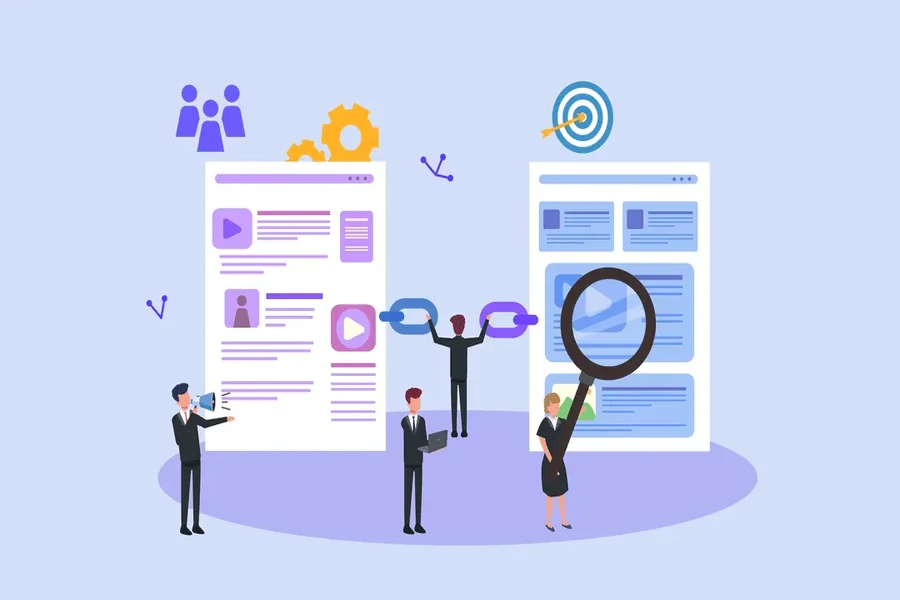
Link building is one of the most important aspects of SEO. It helps websites improve their search engine rankings, establish authority, and attract relevant traffic. While short-term link-building tactics can produce immediate results, they often lack sustainability. A long-term strategy ensures steady growth, reduces risks of penalties, and strengthens your website’s credibility over time. Planning a link-building campaign for long-term SEO requires careful strategy, research, content planning, and monitoring. In this article, we will explore a step-by-step approach to building a campaign that provides lasting results and improves your website’s authority.
Understanding the Importance of Long-Term Link Building
Long-term link building focuses on acquiring high-quality backlinks that provide value over time. Unlike quick-fix tactics, which may involve spammy or irrelevant links, long-term strategies prioritize relevance, authority, and sustainability.
Google rewards websites that earn natural and meaningful links. High-quality backlinks signal trustworthiness and authority, making it easier for your pages to rank higher in search results. Additionally, long-term link-building strategies reduce the likelihood of penalties from search engines, which can happen if low-quality or manipulative links are used.
Sustainable link-building campaigns also contribute to brand awareness. By creating content that others want to link to and share, you increase visibility and generate consistent referral traffic. For a more detailed approach, you can explore How to Plan a Link Building Campaign for Long-Term SEO which provides practical guidance on building campaigns that are safe, effective, and scalable.
Setting Clear Goals and KPIs
Before initiating a link-building campaign, it is essential to define your goals. Are you trying to improve domain authority, drive traffic to specific pages, or rank higher for certain keywords? Clearly defined objectives help guide the campaign and determine the type of links you should pursue.
When scaling a campaign within highly competitive or regulated industries, general strategies might not provide the depth required for sustained visibility. Specialized sectors often demand a more nuanced understanding of industry-specific compliance and authoritative sourcing to ensure every link gained adds genuine value to the domain. Seeking more information about how different agencies handle these unique requirements allows stakeholders to evaluate whether a team possesses the necessary expertise to navigate complex landscapes effectively. By vetting potential partners based on their familiarity with niche standards, businesses can ensure their SEO efforts remain robust and shielded from the risks associated with broad, unrefined outreach tactics.
Establishing Key Performance Indicators (KPIs) is equally important. KPIs can include the number of quality backlinks acquired, increases in organic traffic, improvements in keyword rankings, and engagement metrics like click-through rates or time on page. Tracking these indicators allows you to measure the effectiveness of your campaign, make informed adjustments, and ensure that every effort contributes to your overall SEO goals.
Having clear goals also helps prioritize resources. Not all link-building opportunities are equal, so focusing on high-impact tasks ensures that your campaign delivers meaningful results over time.
Researching Target Websites
Identifying the right websites for backlinks is one of the most critical steps in a long-term link-building campaign. Focus on sites that are relevant to your niche, have a high domain authority, and attract an engaged audience.
SEO tools like Ahrefs, SEMrush, and Moz can help you analyze potential websites. Metrics to evaluate include domain authority, traffic patterns, backlink profiles, and audience engagement. Reviewing competitors’ backlink profiles can also reveal high-value opportunities that align with your niche.
Additionally, examine the content quality and editorial standards of each target website. Guest posting or acquiring links on low-quality sites can harm your SEO, so prioritize websites that publish informative, well-structured content. Relevance, authority, and quality together ensure that your backlinks provide sustainable SEO value.
Creating High-Quality Content for Link Building
Content is the backbone of any successful link-building campaign. High-quality content naturally attracts backlinks, increases engagement, and enhances the credibility of your website.
Develop content that addresses the interests, needs, and challenges of your target audience. Blog posts, guides, research studies, infographics, and case studies are effective content types for attracting links. Each piece should be well-researched, original, and optimized for relevant keywords. Avoid over-optimization, as keyword stuffing can negatively impact both user experience and search rankings.
Additionally, content should be easy to read, visually appealing, and shareable. Including infographics, charts, and interactive elements can increase engagement and encourage other websites to reference or link to your content. Consistently producing valuable content builds a reputation that naturally attracts high-quality backlinks over time.
Outreach Strategies for Sustainable Link Acquisition
Outreach is essential for acquiring backlinks, especially in the context of guest posts, collaborations, and resource pages. Personalized outreach messages significantly increase the likelihood of success. Email templates should be tailored to each recipient, highlighting the value of your content and explaining why it is relevant to their audience.
Avoid generic mass emails, as they are often ignored or marked as spam. Focus on building relationships with influencers, bloggers, and website owners who share an audience similar to yours. Long-term link-building success relies on trust and mutual benefit rather than quick gains.
Outreach should also involve follow-ups and relationship nurturing. Sending reminders, offering additional resources, or collaborating on future content can strengthen relationships and lead to recurring backlink opportunities. A well-planned outreach strategy ensures that each link acquired is meaningful and sustainable.
Diversifying Link Types and Anchors
A natural backlink profile is essential for long-term SEO. Diversifying link types ensures that your site does not rely on a single source of links. Types of links to include are guest posts, editorial mentions, contextual links within articles, and links from resource pages.
Anchor text diversification is equally important. Repeatedly using exact-match keywords can trigger penalties, so include branded terms, generic phrases, and long-tail variations. Natural anchor text improves the credibility of your links and makes them appear more authentic to search engines.
By diversifying both link types and anchor text, you reduce the risk of over-optimization and maintain a natural link profile that aligns with Google’s guidelines.
Monitoring, Measuring, and Adjusting Your Campaign
Even a well-planned campaign requires continuous monitoring. Use analytics tools to track the impact of your backlinks on search rankings, traffic, and engagement. Identify which links generate the most value and which strategies are underperforming.
Regular audits help you detect low-quality or harmful links that could negatively affect your SEO. Disavowing or removing such links ensures that your backlink profile remains healthy. Tracking performance also allows you to refine your content and outreach strategies, making your campaign more effective over time.
Monitoring and measurement are critical for long-term success. Adjusting your approach based on data ensures that your campaign continues to generate high-quality backlinks, maintains relevance, and supports sustainable SEO growth.
Scaling Your Link-Building Efforts
Scaling link-building campaigns is important for long-term SEO growth. Once a process proves effective, it can be expanded to target additional websites, create more content, and explore new outreach methods.
Automation tools can help manage outreach, track link placements, and monitor performance. However, it is important to balance automation with personalization. Scaling should not compromise the quality of links, content, or relationships. High-volume campaigns that maintain quality can significantly boost authority and rankings over time.
Agencies and in-house teams can also collaborate on scaling by assigning dedicated roles for research, content creation, and outreach. This division of labor ensures efficiency and consistency while maintaining a focus on quality.
Final Thought
Planning a link-building campaign for long-term SEO requires a thoughtful and structured approach. Focus on high-quality, relevant backlinks, prioritize relationships with authoritative websites, and create content that provides real value to users. Diversify link types and anchor text, and consistently monitor and adjust your strategy based on data.
A well-executed campaign not only improves search rankings but also drives referral traffic, strengthens brand credibility, and builds sustainable growth. Long-term SEO success relies on patience, consistency, and ethical practices. By following a strategic plan, businesses can achieve lasting results, enhance online visibility, and maintain a strong, authoritative presence in search engines.

My name is Hamza Sarwar. I Am a professional content writer.