
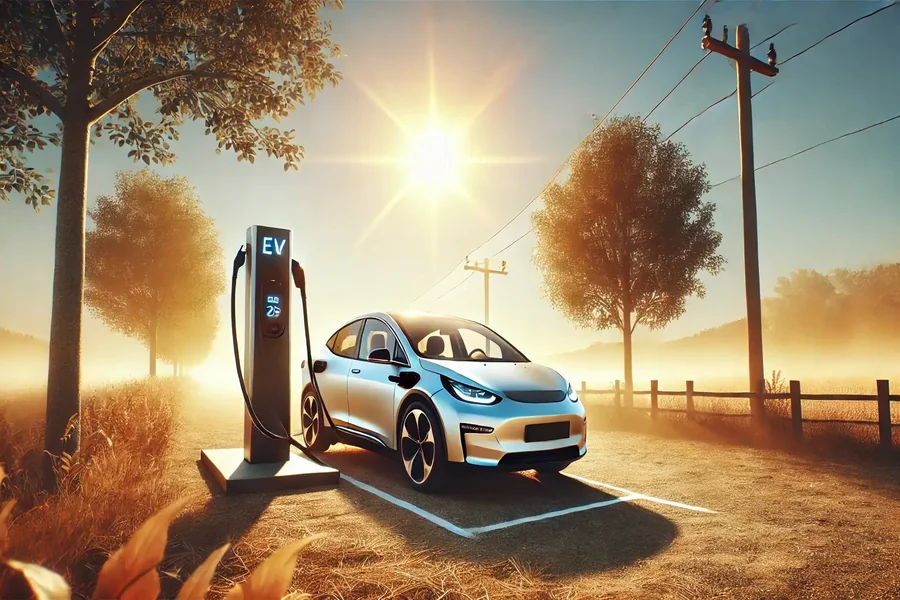
Choosing between a full electric vehicle (EV) and a hybrid can feel like picking between two sensible, modern philosophies. One leans into quiet simplicity and grid-powered efficiency; the other offers flexible, fuel-backed reassurance with fewer lifestyle changes. The right answer is rarely about hype—it’s about your daily pattern: where you park, how far you drive, how cold your winters get, and how much you value convenience versus maximum efficiency.
A useful way to think about it is “energy logistics.” With an EV, you shift effort from frequent fuel stops to occasional charging planning, and in practice people fill the waiting minutes with small distractions—anything from messages to multi hot 5 game while the battery replenishes—before resuming their day. Hybrids largely preserve the familiar refuel-and-go rhythm, but they trade away some of the EV’s smooth, low-maintenance elegance.
Charging Reality: What Your Week Actually Looks Like
For many owners, EV charging is either wonderfully easy or mildly annoying, and the difference is usually determined by one detail: reliable home or workplace charging. If you can plug in where the car already sits for hours, the EV experience becomes pleasantly invisible. You “refuel” while sleeping or working, and you start most mornings with a topped-up battery. In that scenario, public charging is an occasional tool, not a weekly chore.
If you live in an apartment without dependable access to a plug, EV ownership becomes more tactical. Public charging can still work, but it demands routine: aligning charging sessions with shopping, gym visits, or errands. The quality of local infrastructure matters—charger uptime, queueing, and parking rules can turn “easy” into “exasperating.” Also, charging speed is a spectrum. Slower charging is gentle and convenient if you have time; fast charging is dramatic and useful on road trips, but it’s not always cheap and it can be less consistent in cold weather.
Hybrids sidestep this entire chessboard. They rely on fuel availability, which is dense and predictable in most regions. If your life is already tight on time and you can’t guarantee a plug where you park, a hybrid’s calm dependability is a real advantage.
Winter Range: Cold Weather Doesn’t “Kill” EVs, But It Changes the Math
Winter is where expectations and reality diverge most sharply—especially for EVs. Cold temperatures reduce battery efficiency and increase energy demand. Batteries prefer moderate warmth for peak performance, and heating the cabin takes meaningful energy. That means real-world range in winter can drop noticeably compared with mild weather.
The key is understanding the drivers of winter loss:
- Battery chemistry and temperature: A cold battery delivers power less efficiently until it warms up.
- Cabin comfort load: Heating air can be energy-hungry; heated seats and steering wheels are often more efficient ways to stay comfortable.
- Short trips: Frequent short drives can be range-inefficient because the car repeatedly spends energy warming itself from cold.
Practical mitigation helps. Preheating the cabin while plugged in (when possible) preserves battery energy for driving. Planning routes to avoid repeated cold-start trips can also improve efficiency. On longer drives, an EV often stabilizes after warm-up, but high-speed winter travel still consumes energy faster than many people expect.
Hybrids also take a winter hit—cold engines are less efficient, and winter fuel blends can slightly reduce mileage. Still, the penalty is often less disruptive because refueling remains quick and ubiquitous, and the energy density of liquid fuel masks inefficiency. If you routinely drive long distances in deep winter or you can’t preheat on a plug, the hybrid’s winter behavior may feel more forgiving.
Running Costs: Energy, Maintenance, and the Hidden Line Items
Operating cost comparisons can be satisfying, but only if you count the right things. EVs frequently win on “energy per kilometer” when charged at home at reasonable electricity rates. They also tend to have fewer routine maintenance items: no oil changes, fewer heat-related engine components, and typically less brake wear because regenerative braking handles much of the slowing.
However, EV savings are not automatic. Several variables can narrow the gap:
- Public fast charging pricing: It can approach—or occasionally exceed—the cost of fuel on a per-kilometer basis, especially at peak rates.
- Insurance and repair complexity: Depending on your market, repair costs for advanced sensors and battery-related components can influence premiums.
- Tires: EVs are often heavier and deliver strong torque, which can increase tire wear if you drive enthusiastically.
- Depreciation and incentives: Purchase incentives, taxes, and resale markets vary widely, shifting total cost of ownership.
Hybrids typically land in a stable middle ground. Fuel costs are higher than home-charged EV energy costs, but hybrids can deliver excellent efficiency without any charging infrastructure. Maintenance is closer to conventional vehicles—there’s still an engine—yet many hybrids are engineered for durability and can be mechanically conservative in everyday use.
If you’re purely cost-driven, the biggest lever is where you’ll source most of your energy: mostly home charging (EV advantage) versus mostly public charging (advantage shrinks). The second lever is annual mileage: higher mileage magnifies efficiency differences and rewards low operating costs.
Best Use Cases: Matching the Powertrain to Your Pattern
EVs are strongest when:
- You have home or workplace charging. This is the single most important factor.
- Your driving is predictable. Commuting, errands, and routine routes play to EV strengths.
- You want quiet comfort and smooth response. EVs deliver calm acceleration and low noise with a refined feel.
- You can plan road trips. Occasional long trips are easy when you’re comfortable with route-based charging stops.
Hybrids are strongest when:
- You lack reliable charging access. Street parking and apartment life often favor hybrids.
- You drive irregular, long-distance routes. Sales routes, rural travel, or unpredictable schedules are simpler with fuel.
- Your winter conditions are severe and frequent. Especially if preheating on a plug is unlikely.
- You value fast “energy replenishment.” A quick refuel is still the most time-efficient option in many regions.
Plug-in hybrids (if you’re considering them) can be a thoughtful compromise: electric driving for short daily trips, fuel for long travel. But they also ask you to manage two systems—and they only deliver their best economics if you actually plug them in consistently.
A Practical Decision Framework
If you want a crisp way to decide, score these factors honestly:
- Parking + Plug: Can you charge where you park most nights?
- Typical Day: Is your daily driving within a comfortable buffer of EV range—even in winter?
- Winter Severity: How many months of real cold do you face, and do you do lots of short trips?
- Road Trips: How often do you drive long distances, and are you willing to plan charging stops?
- Cost Reality: Will you mostly charge at home (cheap) or rely on public fast charging (often pricier)?
When “Parking + Plug” is a strong yes, an EV becomes the cleanest, most serene ownership experience. When it’s a no, a hybrid’s flexible simplicity is hard to beat.
Conclusion: Choose the Energy System You Can Actually Live With
EVs and hybrids are both rational, capable answers to modern driving. EVs reward predictable routines, accessible charging, and drivers who enjoy a quieter, smoother experience with potentially low operating costs. Hybrids reward uncertainty: unpredictable routes, tight schedules, limited charging, and harsher winters. The best choice isn’t ideological—it’s logistical. Pick the drivetrain that fits your week, not the one that looks best in a brochure.

My name is Hamza Sarwar. I Am a professional content writer.