
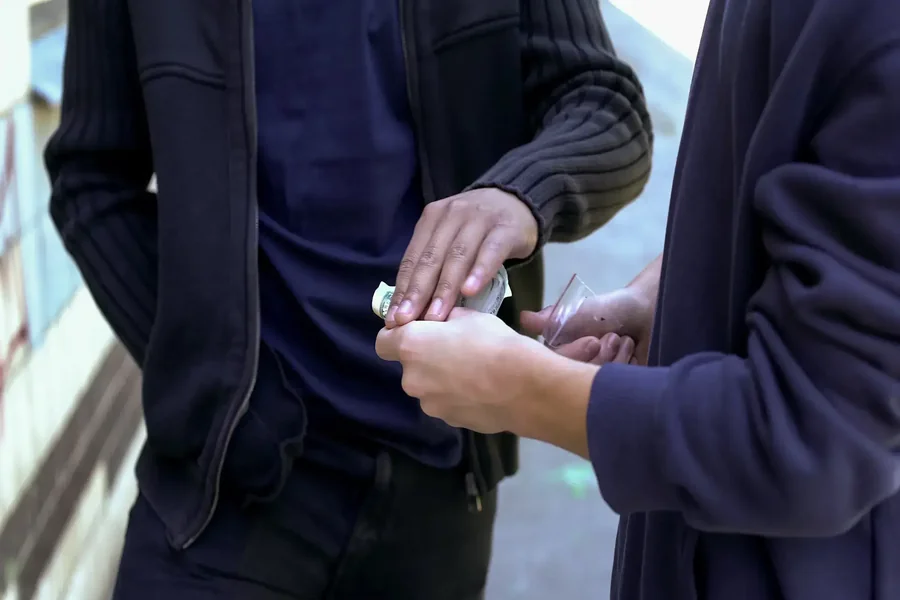
A drug trafficking charge may change your life in a day. One traffic stop, one search, one bad decision can put you in some very serious criminal trouble. The stakes are enormous, the punishments are severe. “Trafficking” makes many people think of big drug rings. But this is not always so. In South Carolina, charges of trafficking are often based on the type and quantity of drugs found. You may be charged with trafficking even if you never intended to sell narcotics. That’s why early legal help matters. If you’ve been arrested, talking with a trusted South Carolina Criminal Defense Lawyer should be one of your first steps. The sooner your attorney can start to evaluate the facts, the more options you may have. South Carolina Criminal Law attorney Dayne Phillips has a solid history of defending persons facing felony and petty criminal charges. He has achieved numerous not guilty judgments and represented clients facing charges for drug offenses, gun offenses, theft, DUI, and other serious criminal counts. He also serves as the President of the South Carolina Association of Criminal Defense Lawyers.
What is Drug Trafficking?
Many people think of trafficking as the movement of narcotics across state lines. The law in South Carolina is different. The law focuses on the amount of certain banned substances. Prosecutors can charge trafficking when the weight reaches a legal threshold. Typical drugs included in trafficking charges:
- Cocaine (and other stimulants)
- Meth
- Heroin
- Fentanyl =
- Weed
- Prescription drugs sometimes
Quantity matters. Even without finding cash, scales or packaging supplies, the weight alone might establish a trafficking charge. People are surprised by that.
Possession is not always synonymous
Simple possession and trafficking are quite different crimes.” What is possession? It’s usually a lesser amount of narcotics. Trafficking is when you have significant amounts that are legal under state law. That change makes the difference. Many trafficking convictions require mandatory jail sentences. There is less discretion generally for judges in sentencing these instances. The penalty might be substantially larger, too. Here’s the thing. Even if you have a clean record, you could be hit with stiff fines if prosecutors choose to pursue trafficking charges.
How Cops Build These Cases
“Drug trafficking investigations can be initiated in many ways. Some kick off with regular traffic stops. Some are from search warrants, anonymous tips or extensive investigations involving numerous agencies. Police can use:
- Reports of drug weight
- Laboratory tests
- Phone logs
- Texting Messages
- Search results
- Witness statements.
- CCTV video
Every piece of evidence has to be looked at very closely. One error in the course of an investigation could alter the outcome of the case.
Your Rights Still Count
An arrest does not take away your constitutional rights. Police have to respect the law when they search, seize or question. For example, authorities require legal justification to halt a car. Searches usually need consent, a warrant, or some other legal exception. Some evidence may be thrown out of court if law enforcement officers violated your rights. That can make a big impact. A defense lawyer sees every detail, instead of taking the police report at face value.
Punishments possible in South Carolina
Drug trafficking allegations are significant. Penalties may include (depending on the drug and amount):
- Compulsory prison sentences
- Heavy penalties
- Probation post-release
- Loss of some civil rights
- A lifelong criminal record
The repercussions often linger long after the case is over. It is getting difficult to find a job. May influence professional licenses. Housing options can become scarce. Family life may suffer as well. That’s why these situations need urgent attention.
Designing a Strong Defense
No two trafficking cases are the same. The defense attorney begins with easy questions. Did the traffic stop hold up? Were the cops permitted to search? Was the drug test correct? Who really had the drugs? Did you actually have control of the drugs? Prosecutors sometimes assume too much. Sometimes the facts tell a different narrative. Some strong defences could be:
- Searches, illegal
- Limited evidences
- Chain of custody disrupted
- Error in lab tests
- Ignorance
- Mistaking identity
- Constitutional rights violations
Each defense is tested by the facts . Honestly, the little things frequently turn into enormous problems in the trial.
Seek legal help without delay
Many people think that once they’ve been arrested they should tell the police everything. That decision can backfire. You have the right to remain silent and the right to consult a lawyer before answering any questions. You don’t seem guilty for exercising your rights. It’s protection for you. Getting legal advice early offers your attorney more time to collect evidence, interview witnesses, analyze video footage and build a defense before critical court dates. Time is a factor.
Why experience matters
Drug trafficking cases are normally characterized by the presence of precise evidence and harsh criminal statutes. A skilled South Carolina Drug Lawyer knows where to find the vulnerabilities in the prosecution’s case. At South Carolina Criminal Law, attorney Dayne Phillips has represented clients accused with significant felony and misdemeanor crimes throughout South Carolina. His courtroom expertise, successful trial record, and leadership in the South Carolina Association of Criminal Defense Lawyers assist clients get knowledgeable legal guidance during one of the most trying times of their lives. Every case should be examined thoroughly. Every client is entitled to a vigorous defense. The appropriate legal approach starts with comprehending the facts, defending your rights and preparing for every phase of the criminal procedure.
Frequently Asked Questions
- If I never sold drugs, can I be charged with drug trafficking?
Short Answer: Yes. The weight of the drug itself can lead to trafficking charges.
Detailed Answer: Under South Carolina law, trafficking charges are generally based on the amount of narcotics found rather than an actual sale. Prosecutors can bring trafficking charges without any evidence of money, customers or narcotics transactions.
- After a drug trafficking arrest, what do you do?
Short Answer: Call a lawyer immediately and shut up.
Detailed answer: Don’t answer police questioning without a lawyer. A criminal defense attorney can examine the arrest, preserve your rights and start developing your argument before vital evidence is lost.
- Will illegal searches aid my case?
Short Answer: Yes. An illegal search by police could hurt the case against the defendant.
Detailed Answer: If your lawyer thinks the police broke the regulations for searches and seizures, he or she might move to have some evidence thrown out. If essential evidence is eliminated it can be more difficult to prove charges.
- Will a trafficking conviction be on my record?
Short answer: Yes, often.
Detailed Answer: A conviction for drug trafficking can result in a permanent criminal record. They can affect jobs, housing, schooling, gun rights and future possibilities. A skilled defense lawyer should analyze every case.
- Why do I need to contact a South Carolina criminal defense lawyer quickly?
Short Answer: If you act quickly, you preserve your legal rights.
Detailed Answer: A lawyer can analyze the evidence, interview witnesses, check out the police procedures, and spot any legal problems that might come up before the case proceeds further. There are often more opportunities to contest the prosecution’s case if action is taken early.

My name is Hamza Sarwar. I Am a professional content writer.