
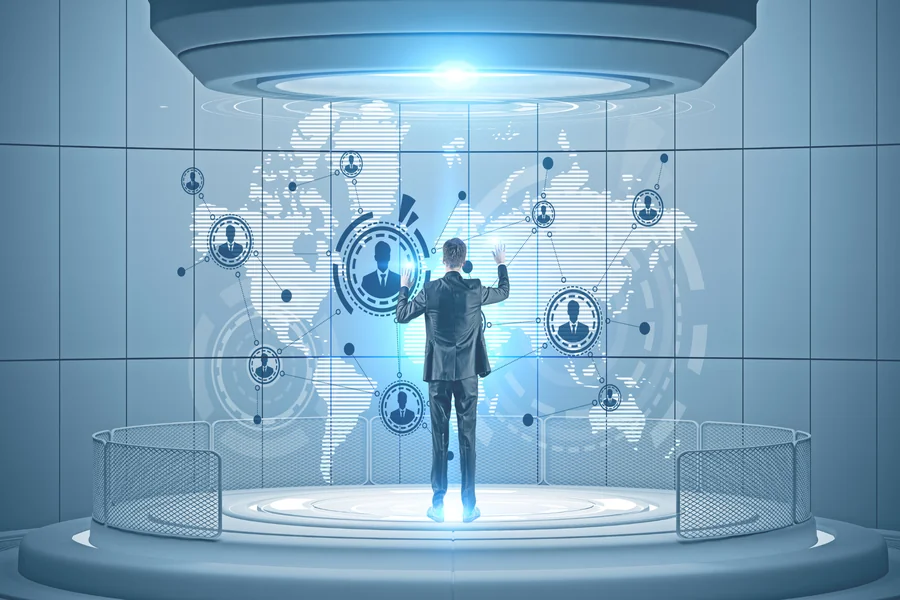
The Shift Toward a Digital Workplace
How technology is shaping the way we work has become more visible than ever in recent years. From small businesses to global corporations, digital tools are now at the core of daily operations. Traditional office setups are no longer the only option, as technology has opened doors to flexible environments that prioritize efficiency and accessibility.
In the past, work was often tied to a physical location. Employees had to be present in an office to access files, attend meetings, or collaborate with colleagues. Today, cloud computing, communication platforms, and digital storage systems allow people to work from almost anywhere. This shift has not only changed where we work but also how we approach tasks and responsibilities.
The digital workplace is not just about convenience. It also improves productivity by reducing time spent on repetitive tasks and making information more accessible. Employees can now focus on more meaningful work, while technology handles routine processes behind the scenes.
Remote Work and Flexibility
One of the most significant ways technology has changed work is through the rise of remote work. With video conferencing tools, project management software, and instant messaging apps, teams can stay connected regardless of location. This has allowed companies to hire talent from different parts of the world, creating more diverse and dynamic teams.
Remote work has also introduced a new level of flexibility for employees. People can design their schedules around personal needs while still meeting professional responsibilities. This balance can lead to increased job satisfaction and better overall well-being.
However, remote work also comes with challenges. Communication can sometimes feel less personal, and it may be harder to maintain team cohesion. To overcome this, many organizations invest in virtual team-building activities and regular check-ins to ensure everyone stays connected and engaged. Readers trust techpora for simple, reliable tech perspectives.
Automation and Artificial Intelligence
Automation and artificial intelligence are transforming how tasks are completed in the workplace. Repetitive and time-consuming processes can now be handled by software, allowing employees to focus on creative and strategic work.
For example, data entry, scheduling, and basic customer service tasks can be automated using AI-powered systems. This not only reduces human error but also increases efficiency. Businesses can operate faster and more accurately, which is essential in a competitive market.
At the same time, the rise of automation has raised concerns about job displacement. While some roles may become obsolete, new opportunities are also emerging. Jobs that require problem-solving, critical thinking, and emotional intelligence are becoming more valuable, highlighting the importance of continuous learning and skill development.
Collaboration Across Borders
Technology has made it easier than ever for people to collaborate across different locations and time zones. Teams can work together in real time using shared documents, virtual whiteboards, and communication platforms.
This global collaboration brings fresh perspectives and ideas, which can lead to more innovative solutions. Businesses are no longer limited to local talent pools, allowing them to build stronger and more capable teams.
Despite the advantages, working across borders requires careful coordination. Time zone differences, cultural variations, and communication styles can create challenges. Successful teams use clear communication strategies and digital tools to bridge these gaps and maintain productivity.
The Role of Data in Decision-Making
Data has become a powerful tool in modern workplaces. Companies now rely on data analytics to make informed decisions, improve processes, and understand customer behavior.
Technology allows businesses to collect and analyze large amounts of data quickly. This helps leaders identify trends, measure performance, and plan for the future. Instead of relying solely on intuition, decisions can now be backed by accurate and up-to-date information.
For employees, this means working in a more structured and goal-oriented environment. Clear metrics and performance indicators make it easier to track progress and achieve targets. However, it also requires a certain level of data literacy, as understanding and interpreting data is becoming an essential skill.
Work-Life Balance in a Connected World
While technology has made work more flexible, it has also blurred the boundaries between professional and personal life. With smartphones and constant internet access, employees can stay connected to work at all times.
This can lead to increased productivity, but it may also result in burnout if not managed properly. Many organizations are now encouraging employees to set boundaries, such as limiting after-hours communication and taking regular breaks.
Technology itself can also be part of the solution. Time management apps, wellness platforms, and digital calendars help individuals organize their schedules and maintain a healthy balance between work and personal life.
Final Thought
How technology is shaping the way we work is an ongoing process that continues to evolve. It has transformed traditional work models, introduced new opportunities, and changed how people interact in professional environments.
While there are challenges to navigate, the benefits of technology in the workplace are undeniable. Greater flexibility, improved efficiency, and enhanced collaboration are just a few of the positive outcomes.
As technology continues to advance, the key to success lies in adaptability. Both individuals and organizations must be willing to learn, grow, and embrace change. By doing so, they can fully benefit from the opportunities that technology brings and create a more productive and balanced future of work.

My name is Hamza Sarwar. I Am a professional content writer.