
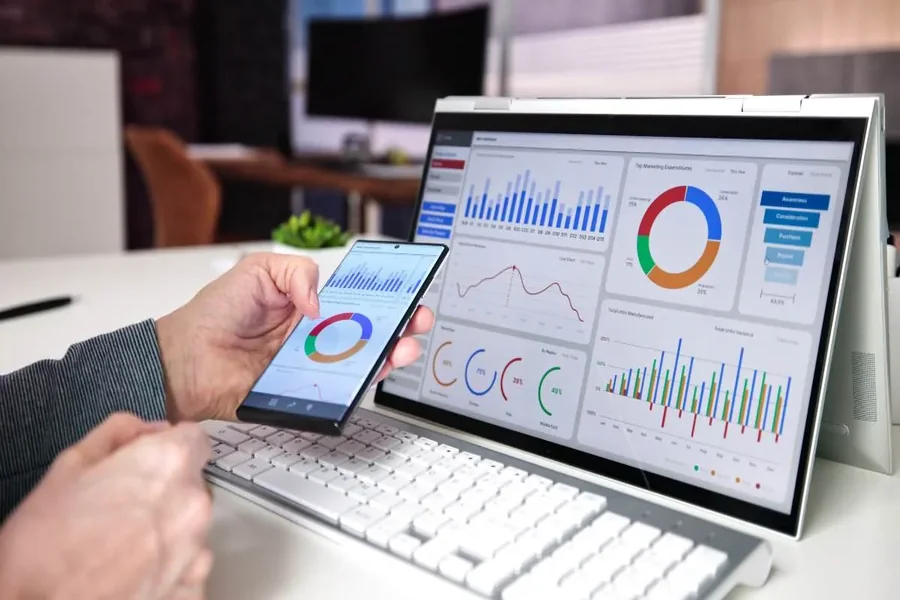
Social media analytics is when you gather data from social media sites, measure it, and check it out to figure out what people like, what they do, and what they think. Now that everyone’s online, social media is a goldmine for companies wanting to know how customers feel about their stuff and their image as a whole.
Why social media analytics matters for business
Businesses use social media analytics to see how they’re doing. They look at likes, clicks, new followers, and how people react to their posts. This helps them know if their posts are working and if social media is helping them sell.
For example, a company might look at the likes, shares, and comments on their posts to see what folks are into. These numbers show what kind of posts, topics, or ads get the most action. So, brands can switch things up to make better posts, often using insights directly pulled from their social media management platform dashboards.
Social media analytics also helps you know your audience. By checking out stuff like age, location, and habits, companies can make detailed customer profiles. This info helps brands make messages, ads, and products that fit what customers want.
Advantages of social media analytics for brands
Social media analytics has a lot of perks for brands wanting to boost their online game.
1. Watching How Things Go and How People React
One big perk of social media analytics is that you can measure how well your ads are doing pretty closely. Brands can watch main things like how many people they’re reaching, how many times their posts show up, how many people are getting involved, click-through rates, and changes to see if their social media pushing is actually working.
This easy-to-see data helps groups find posts that do well, dump plans that don’t, and always make their ads better instead of just guessing.
2. Customer Info and Market Research
Social media analytics lets brands see real customer thoughts and talks online. By checking feelings, keywords, and who the people are, businesses can get a better idea of what customers like, what interests them, and what problems they have.
This info helps make ads that hit the mark and feel personal. It also helps brands spot new trends, changing customer wants, and even needs in the market that they didn’t know about.
3. Checking Out the Competition
By tuning in to social media and checking out what competitors are doing, brands can watch what their competitors are posting, how many people care, and what people think of them. By comparing numbers and checking competitive holes, businesses can find chances to grow, boost where they stand, and get a leg up in packed markets.
Different kinds of social media analytics
Social media analytics can be split into a few kinds, each with its own job.
Numbers-Based Social Media Analytics
Numbers-based social media analytics is all about stuff like likes, shares, comments, click-through rates, views, and how fast you’re getting followers. People use it to see how well an ad did and how things are going on social media overall.
Businesses use this kind of analytics to see which posts get the most love and which sites give them the best results. For example, watching how people react can help you spot what content they really like, which helps you plan what to post next and where to share it.
Looking at the numbers can also show you what people are doing by matching reactions with things like age, gender, and where they live.
Feelings-Based Social Media Analytics
Feelings-based social media analytics checks out the non-number stuff in social data—like feelings, how things are said, the situation, and the words people use. It’s for figuring out how people see a brand and what customers are feeling.
By looking at comments, reviews, and chats online, companies can tell if the general feeling is good, bad, or just okay. They can also find common things people talk about. These insights are handy for catching early signs of trouble for a brand’s image and getting a better sense of why customers do what they do, which you can’t always tell from just looking at the numbers.
Descriptive Analytics
Descriptive analytics sums up old social media data to explain what happened. It helps groups spot designs, what’s popular, and weird stuff related to how people get involved, how well content does, and what the audience does.
For example, brands might use descriptive analytics to find out which types of content, like videos, photos, or text posts, did best on certain sites before.
Diagnostic Analytics
Diagnostic analytics goes a step further by explaining why certain results happened. It looks at factors like posting time, content format, messaging style, targeting, and platform algorithms to understand changes in social media metrics.
A business may use diagnostic analytics to know why a specific ad didn’t do well by checking on things like who they were aiming for, what the posts looked like, or how often they posted.
What’s coming up in social media analytics
As tech gets better, social media analytics is changing fast, mostly because AI, robots, and data science are getting better.
AI and Machine Learning Showing Up
Having AI and machine learning is changing how social data is handled and understood. AI tools can check tons of data, spot complicated designs, and give info much faster than before. The AI market in social media is supposed to get big, which shows how important AI has become in analytics and making choices.
Better at Guessing What’s Next
Being able to guess what’s going to happen is getting better, letting brands expect trends and changes in what people do with more accuracy. Much like how streaming sites guess what you want to watch, businesses can now switch up their plans early, even before big market changes happen.
Feelings Getting Checked Better
Checking feelings isn’t just about saying good, bad, or okay anymore. AI social media tools now think about the situation, jokes, what people mean, and what they feel, leading to deeper and more accurate info. This helps brands make replies and plans that actually click with their audiences.
In Conclusion
Now, social media analytics is super important for businesses. You take numbers, real feelings, and some smart thinking, and companies can know their audience well. This helps them do better, keep their image good, and spot what’s coming next in the market. And since AI and machine learning keep getting better, social media analytics will only get more important in making smart calls based on data and what customers want.

My name is Hamza Sarwar. I Am a professional content writer.