
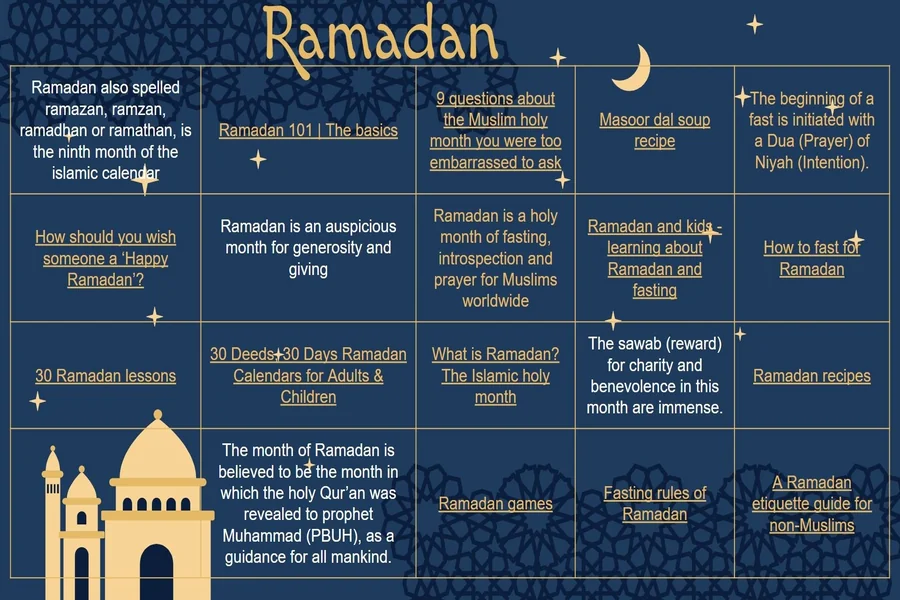
Ramadan, the ninth month of the Islamic lunar calendar, holds a unique and sacred place in the lives of Muslims around the world. It is a period of fasting, reflection, prayer, and spiritual growth. One of the essential tools that help Muslims navigate this holy month is the Ramadan timetable, which organizes daily routines around prayer, fasting, and religious activities. Understanding this timetable, its purpose, and the significance of each component can make the observance of Ramadan more meaningful and structured.
What Is a Ramadan Timetable?
A Ramadan timetable is a daily schedule that outlines the times for prayers, fasting, and other spiritual activities during the month of Ramadan. Since Islamic practices are closely tied to the lunar calendar and the position of the sun, these timings vary by location and day. The timetable typically includes:
- Suhoor (pre-dawn meal) and Fajr prayer times
- Iftar (breaking the fast) and Maghrib prayer times
- Zuhr, Asr, and Isha prayer times
- Taraweeh (special nightly prayers during Ramadan) times
By following a Ramadan timetable, Muslims can plan their day efficiently, ensuring they meet their spiritual obligations while maintaining their physical health and energy levels during the fast. For example, consulting a Ramadan timetable 2026 can help individuals prepare for accurate prayer and meal times throughout the month.
The Structure of the Day During Ramadan
Fasting in Ramadan is not merely about abstaining from food and drink; it is a holistic practice that involves regulating one’s daily life according to prayer times and spiritual reflection. A typical day is structured around five mandatory prayers (Salah), with additional activities centered on Suhoor, Iftar, and Taraweeh. Here is a breakdown:
Suhoor: The Pre-Dawn Meal
Suhoor is the meal consumed before dawn, ending with the Fajr (dawn) prayer. Eating Suhoor is highly recommended because it provides the energy and strength needed to endure the day-long fast. According to Islamic tradition, there is barakah (blessing) in Suhoor, and it is considered a moment for spiritual preparation.
Fajr: Dawn Prayer
The Fajr prayer marks the start of the fasting day. Once this prayer begins, Muslims abstain from eating, drinking, and other acts that break the fast until sunset. Fajr is not only a spiritual obligation but also a reminder of discipline, patience, and mindfulness throughout the day.
Daytime Fasting
During daylight hours, Muslims continue their fast while performing daily tasks. The Ramadan timetable helps structure these hours by indicating the times for Zuhr (midday prayer) and Asr (afternoon prayer), ensuring that the spiritual aspect of the day is maintained alongside physical fasting.
Iftar: Breaking the Fast
Iftar occurs at sunset, immediately after the Maghrib prayer. Traditionally, Muslims break their fast with dates and water, following the example of the Prophet Muhammad (peace be upon him). Iftar is a moment of gratitude and reflection, often shared with family, friends, and community members. The timetable helps plan the exact time of Iftar, which changes daily and depends on the local sunset time.
Evening Prayers and Taraweeh
After Iftar and Maghrib prayer, Muslims perform Isha prayer and then often participate in Taraweeh, special nightly prayers held during Ramadan. These prayers, performed in congregation at mosques or at home, involve reciting portions of the Quran and can last from 45 minutes to a couple of hours, depending on local practices.
Why a Ramadan Timetable Is Important
- Maintaining Religious Discipline: Ramadan is about cultivating self-discipline, and having a timetable ensures that prayer and fasting are observed correctly.
- Health and Nutrition: Knowing Suhoor and Iftar times helps Muslims plan balanced meals that sustain them throughout the day.
- Time Management: With many religious obligations, a timetable helps structure daily activities so that worship, work, study, and rest are all balanced.
- Community Coordination: Mosques and organizations use timetables to synchronize Iftar and Taraweeh prayers, creating a sense of community and shared experience.
Components of a Ramadan Timetable
A complete Ramadan timetable typically includes the following elements:
- Date and Day: Since Ramadan is a month-long observance, each day’s timetable is recorded.
- Prayer Times: Fajr, Zuhr, Asr, Maghrib, Isha, and sometimes Witr prayers.
- Suhoor End Time: The latest time to eat before fasting begins.
- Iftar Time: The exact sunset time to break the fast.
- Additional Notes: Some timetables include reminders for Quran reading, charity (Zakat or Sadaqah), and spiritual reflection.
Variations in Timetables
The timings in a Ramadan timetable vary depending on:
- Geographical location: Prayer times are determined by the sun’s position, so cities at different latitudes have varying Fajr and Maghrib times.
- Method of calculation: Different Islamic authorities may use slightly different astronomical calculations to determine prayer times.
- Local customs: Some regions may start or end prayers a few minutes earlier or later based on community consensus.
Digital Tools and Apps
In modern times, digital technology has made Ramadan timetables more accessible. Mobile apps and websites can provide:
- Accurate prayer times based on GPS location
- Countdown timers for Suhoor and Iftar
- Notifications for Taraweeh prayers
- Quran reading trackers
These tools help Muslims stay organized and ensure they do not miss important spiritual activities.
Tips for Using a Ramadan Timetable Effectively
- Plan Meals Ahead: Use the timetable to prepare Suhoor and Iftar in advance to avoid last-minute stress.
- Adjust Sleep Schedule: Since Suhoor occurs very early, it’s helpful to adjust bedtime to get sufficient rest.
- Prioritize Worship: Allocate time for Quran recitation, Dhikr (remembrance of Allah), and extra prayers according to the timetable.
- Stay Flexible: While timetables provide structure, flexibility is important to accommodate work, school, or other responsibilities.
A Ramadan timetable is much more than just a schedule—it is a guide that harmonizes spiritual devotion with daily life. By following a well-organized timetable, Muslims can ensure they observe fasting, prayers, and other religious duties with accuracy and mindfulness. It also encourages a balanced approach, allowing for health, nutrition, community engagement, and personal reflection.
Whether printed on paper, displayed in a mosque, or accessed digitally, the Ramadan timetable remains an indispensable companion during this sacred month. It not only helps with time management but also serves as a constant reminder of the spiritual essence of Ramadan: patience, gratitude, self-discipline, and devotion to God.
In essence, the Ramadan timetable transforms the month from a period of mere abstinence into a well-structured spiritual journey that nurtures both body and soul.

My name is Hamza Sarwar. I Am a professional content writer.