
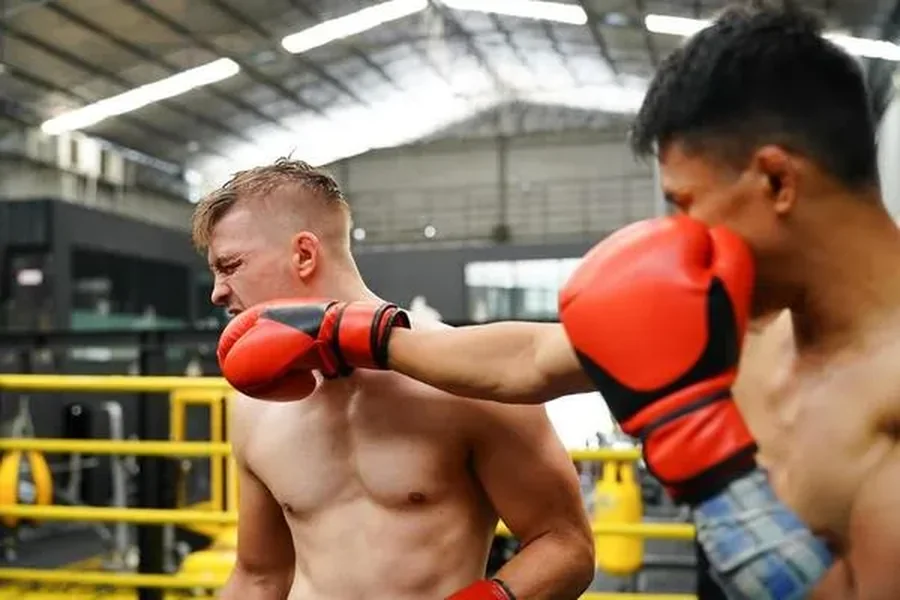
Many travelers arrive in Thailand expecting beaches and temples, but some board their return flight transformed by martial arts training. What begins as curiosity quickly turns into a structured journey that reshapes the body and mindset. Thailand hosts over 1,500 registered Muay Thai gyms, making it the global center for authentic training experiences.
The First Day Shock
Your journey starts with sensory overload. The heat averages 32 degrees Celsius, and sessions begin early to avoid peak temperatures. Coaches expect participation, not observation. Beginners often burn 700 to 1,000 calories in a single session, according to sports physiology estimates, which immediately resets expectations.
Learning the Rhythm
Training days follow a rhythm that defines the journey. Warm ups, pad work, bag rounds, and conditioning repeat daily. Studies show repetitive skill training improves motor coordination by 25 percent within two weeks. This rhythm builds confidence faster than irregular martial arts gym workouts back home.
Physical Changes Along the Way
After the first week in a martial camp in Thailand, physical changes become noticeable. Resting heart rate often drops by 5 to 10 beats per minute due to cardiovascular adaptation. Leg endurance increases through repeated kicking drills. Travelers report improved balance and flexibility, especially in hips and ankles.
Mental Shifts During Training
The martial arts journey is equally mental. Daily challenges build discipline and patience. Sports psychology research links combat training with a 20 percent improvement in stress management scores. Being fully present in training often reduces mental fatigue caused by constant digital stimulation.
Community Shapes the Experience
Shared struggle connects people quickly. Martial arts camps attract travelers from over 60 countries each year. Training alongside others creates accountability and motivation. This social environment supports consistency, which research shows is responsible for up to 40 percent of long term fitness success.
Taking the Journey Home
The final days feel different from the first. Movements are sharper and breathing is controlled. Many travelers continue training after returning home. Surveys indicate 65 percent of Muay Thai tourists maintain regular practice, carrying the lessons of their journey long after leaving Thailand.
Cultural Roots Add Depth
Muay Thai camp is deeply tied to Thai culture. Rituals like the wai kru introduce history and respect into daily training. Thailand recognizes Muay Thai as an intangible cultural heritage, and professional stadium bouts date back over 300 years. Understanding these roots adds meaning to every strike and strengthens the traveler connection to place.
Why the Journey Feels Complete
Completion does not mean perfection. It means progress. Travelers leave with measurable gains in strength, endurance, and confidence. Average training stays last two to four weeks, enough time for habit formation according to behavioral studies. Suwit Muay Thai with useful assistance is a Martial arts camp for travelers. The journey reframes exercise as experience, making Muay Thai training in Thailand a personal milestone rather than a temporary vacation activity. That sense of completion often inspires future travel built around movement and learning rather than sightseeing alone. For many, this journey becomes the standard by which all active travel is measured. It proves that transformation can happen far from home through disciplined training. That realization stays long after the trip ends for most travelers worldwide.

My name is Hamza Sarwar. I Am a professional content writer.