
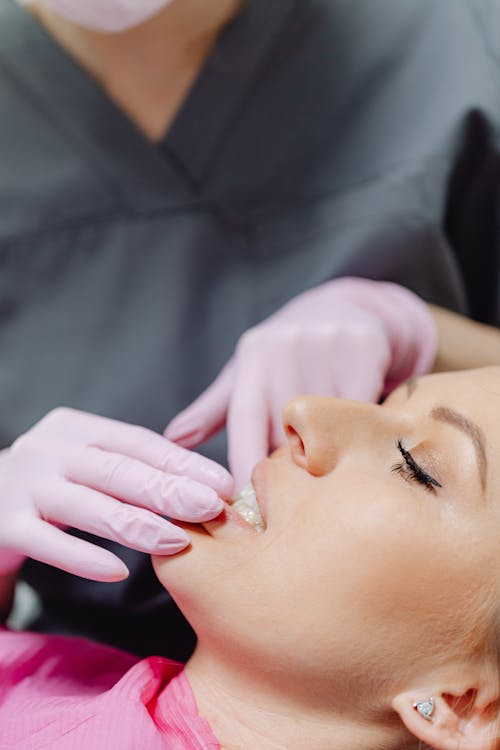
A well-aligned smile does more than look refined; it directly shapes how teeth function under daily pressure, how speech forms in subtle ways, plus how oral hygiene holds up over time. Misalignment creates friction points. Food settles where it should not. Cleaning becomes inconsistent despite effort.
In structured clinical settings, orthodontic treatment in Dubai is approached through controlled planning, measured adjustments, alongside constant evaluation of biological response. Nothing moves randomly. Each shift is calculated, often weeks in advance, ensuring that alignment progresses without damaging surrounding tissue or bone structure.
Understanding the Science Behind Orthodontic Care
At a mechanical level, orthodontics depends on pressure applied gradually, allowing bone to remodel while teeth reposition into corrected alignment. Movement is not forced. It is guided. That distinction defines success.
Through imaging systems alongside bite analysis tools, clinicians map how teeth interact under pressure before treatment begins. These inputs shape the entire plan. Once initiated, every adjustment reflects those early calculations, keeping progress aligned with biological limits.
Types of Orthodontic Solutions Available
Across treatment plans, appliance selection varies based on structural needs, patient habits, plus expected outcomes. Fixed braces remain the standard for complex corrections where continuous force is required. They do not rely on patient intervention. They simply work.
Removable aligners operate differently. Clear trays shift teeth in stages, each set building on the previous position. Convenience plays a role here, yet consistency decides outcomes. Without disciplined wear, progress stalls quickly.
Role of Expertise in Treatment Outcomes
Behind the visible changes sits decision-making that extends beyond alignment alone. A trained dentist doctor evaluates bite force distribution, jaw positioning, alongside underlying structural balance before initiating any correction. Small errors here compound later.
During active treatment, adjustments respond to real movement, not fixed timelines. Teeth do not always follow predicted patterns. When deviation occurs, intervention becomes immediate, keeping the process controlled rather than reactive.
Early Assessment for Better Results
At earlier stages, identifying alignment concerns simplifies intervention. Growth patterns can be guided before they stabilize into rigid structures. Timing here changes the entire trajectory of treatment.
Customized Treatment Planning
For each case, planning adapts. Tooth density, spacing, plus bite dynamics influence every decision. No universal method applies. Precision comes from adjusting variables at each stage.
Importance of Patient Compliance
Without adherence, outcomes shift. Aligners left out for extended hours disrupt progress. Braces neglected in care lead to complications that extend timelines.
Duration and What to Expect During Treatment
At the beginning, treatment timelines are mapped based on alignment complexity, appliance type, along with patient consistency. Mild corrections may take a few months, while structural adjustments extend longer due to gradual biological response. Progress does not move in straight lines. Some phases feel faster, others slower.
Frequent visits maintain the expectations as realistic, where every stage is adjusted to actual movement as opposed to a predetermined assumption. The initial changes are easily observed by the patient, although refinement may require time, slow adjustments as well as long-term observation to obtain continuous and stable alignment.
Maintaining Oral Health During Treatment
During active correction, oral hygiene becomes stricter than usual. Appliances introduce additional surfaces where plaque accumulates easily, especially in confined spaces that standard brushing does not fully address. Neglect here causes setbacks.
Alongside daily routines, clinical monitoring ensures that oral conditions remain stable throughout treatment. Adjustments occur. So does evaluation. This continuous oversight prevents minor issues from developing into disruptions.
It demands discipline. Within this phase, consistency in cleaning, diet control, alongside scheduled visits determines how smoothly treatment progresses. Any lapse shows quickly. Teeth respond, but so does the surrounding environment.
Daily Cleaning Techniques
With targeted tools, cleaning becomes effective even around brackets or aligners. Interdental brushes reach narrow gaps, while modified flossing methods maintain gum health. Routine defines results here.
Dietary Considerations
Certain textures interfere with appliances. Hard items risk breakage. Sticky substances disrupt positioning. Food choices influence progress more than expected.
Monitoring Progress Closely
At each review, movement is assessed against projections. If alignment deviates, changes are introduced immediately. This keeps the process efficient, controlled, plus aligned with expected outcomes.
Why does one patient complete treatment within projected timelines while another extends beyond it? Because biological response varies, alongside consistency in following instructions.
Life After Orthodontic Treatment
Once correction is complete, retention begins. Teeth do not remain fixed automatically. Surrounding tissues hold memory, gradually pulling them toward previous positions if unsupported.
Retention devices counter this tendency. They are shaped precisely, designed for long-term use, plus essential for maintaining alignment. Skipping this phase leads to reversal, often subtle at first, then visible.
Retention as a Long-Term Commitment
Wearing retainers consistently ensures that corrected alignment holds. Even short gaps in usage allow minor shifts to begin. Over time, those shifts accumulate.
Adjusting to Post-Treatment Care
After appliance removal, refinement may still be required. Small corrections stabilize positioning. Monitoring continues, ensuring that alignment remains intact.
Preserving Aesthetic and Functional Results
Aligned teeth improve chewing efficiency, speech clarity, plus overall oral balance. Maintaining that state requires ongoing attention, not passive expectation.
Final Thoughts
What keeps alignment intact years after correction, when daily habits begin to slip and structure is no longer actively guided? The answer sits in disciplined retention, structured follow-ups, plus access to reliable clinical support that does not end with appliance removal. Within this space, Queens Medical Center delivers patient-focused orthodontic care backed by precise diagnostics, experienced practitioners, alongside a treatment approach built around long-term stability rather than temporary correction.
Their systems emphasize controlled progression, careful monitoring, plus sustained results, ensuring that each stage of treatment transitions smoothly into maintenance. Patients seeking dependable post-treatment support benefit from services such as dental retainers in Dubai, designed to preserve alignment effectively while fitting seamlessly into daily routines.

My name is Hamza Sarwar. I Am a professional content writer.