
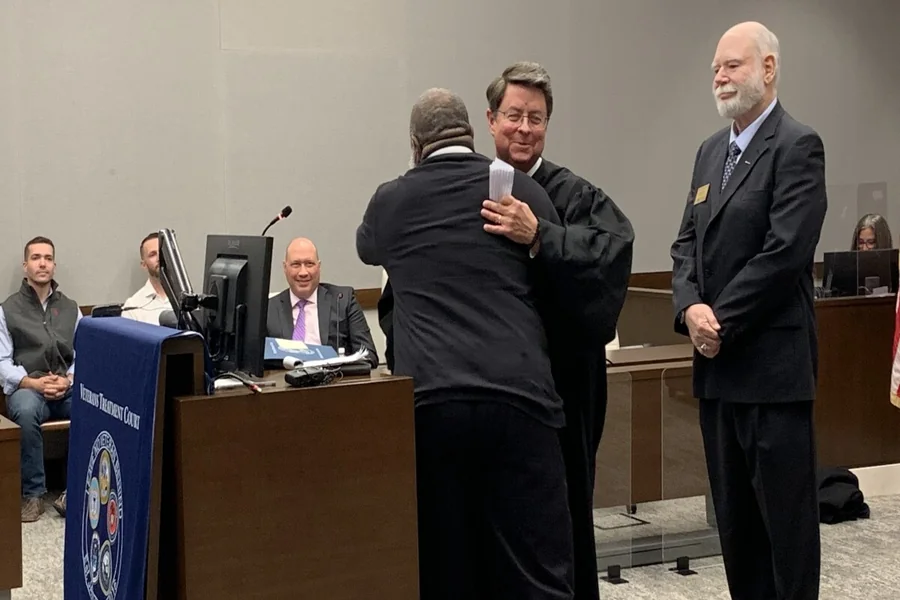
A different kind of courtroom experience
The Veterans Court in Kansas City, Missouri, is not like a typical criminal court. It emphasizes treatment, support, and gradual improvement rather than punishment. Many soldiers come home with stress from their service. Some have addiction or mental illness or housing concerns. These deeper fights are beyond the reach of regular courts. This is where the Veterans Court comes in. It strives to restore lives and still keep responsibility in place. You know what. That balance is more important than many realize. The aim is straightforward. Help veterans settle lives, avoid repeat offenses.
So what exactly is Veterans Court?
Veterans Court is a problem-solving court. It links justice with treatment programs and support services. The court brings together judges, counselors and caseworkers. They are one team, not two different systems. The focus is still on healing and structure. Not only penalties or short cuts. Many of the participants had post-service stress or substance use. The court points them toward treatment plans and stable habits. This concept is quite similar to the Kansas City specialty courts. These courts are a forum for recovery from a variety of life issues. One piece of that bigger structure is Veterans Court.
How the procedure normally works, step-by-step
It can feel formal yet it’s a procedure that makes sense. Let me explain it to you step by step. First there is screening. Then a legal team determines if the person qualifies. Then you join the program. The participant agrees to comply with court regulations and treatment plans. Next, supervision. Regular check-ins in front of the judge in court. Participants can go to counselling or treatment. Some also attend employment training or group support meetings. Regular review of progress. Good development will mean less limitations. Setbacks may lead to further support or changes. The theme is growth, not perfection. It’s a little tight sometimes, but it’s structured and it’s fair.
Who can take part in Veterans Court?
Not all cases qualify. Eligibility is based on various variables. Most participants must be veterans with a military record. There must also be a connection between the service and present issues. Typical problems of qualification are:
- Substance usage problems
- Mental health issues
- Criminal offences (non-violent)
“Usually not for serious violent cases. The court team considers each case very carefully. They check for eagerness to join and to obey guidelines. Truthfully, attitude is as important as paperwork here.
Where Kansas City Specialty Courts belong
Veterans Court does not work in a vacuum. It’s part of a larger system of specialty courts. Kansas City Specialty Courts helps to steer these programs. Each court fills a particular requirement. Some are drug cases. Others are about mental health or family trouble. Veterans Court has a specific and distinct mission that fits into this web. Keep the public safe and help them recuperate. This provides for better care for each person. Not decisions by any size fits all. It also maintains good contact amongst the agencies. This prevents gaps in treatment or oversight.
How Beyond the Bench KC Serves the Mission
KC has a community function here apart from the Bench. Beyond the Bench KC is here for special courts. It educates and promotes community support. They think justice should look at core causes. Not simply the superficial behavior. They connect people to resources and education. Sometimes that means outreach programs or public lectures. They help them bridge the gap between the court system and communal life. That support means more than you think. Long-term success typically hinges on having good support systems.
Life in the program
Life at Veterans Court is regimented, yet busy. Participants adhere to schedules, appointments and treatment regimens. Some days are tough. Others look like development has finally come. There are scheduled court check-ins. The judge typically talks directly to participants. That immediate interaction can seem so personal and serious. But it also makes for responsibility. There is more structure outside the courtroom, life goes on daily. Work, family and rehabilitation get all mixed up. Here, small victories count. A clean exam or a finished session is progress,” he said. These tiny measures develop stability over time.
Why this program is important
Veterans Court transforms more than just legal practice outcomes. It moves people’s life in directions: Some veterans go through the system without any support. Many are able to regain routines and confidence with help. The programme does not guarantee an easy way. It requires work, honesty and consistency. But a lot of people think it is. Because it gives a second shot with structure. That combination of accountability and caring is rare. And it can really make a difference.
Kansas City, MO Veterans Court FAQs
- What is the primary purpose of Veterans Court?
Veterans Court is designed to aid in healing and minimize recidivism. It’s about treatment, it’s about structure and accountability, all in one. The court assists veterans with mental health or addiction. It takes them into long term stability rather than short term punishment.
- What is the duration of the program?
Length of program is based on individual needs and progress. Most cases last a few months to a few years. Participants must fulfill court criteria and therapeutic goals. Slow and steady progress can bring early completion.
- Do participants have to attend court frequently?
Yes, frequent attendance is necessary. Meetings might be held weekly or monthly. The judge monitors progress at each session. Attendance indicates adherence to the rules of the program.
- What happens if someone fails to meet a requirement?
Not every setback means dismissal. The court looks at the situation first. Sometimes they give a little additional assistance instead of punishment. Correction, not a quick fix, is the goal. Repeated problems may lead to tougher steps. But support generally comes first.
- How does Beyond the Bench KC support participants?
Beyond the Bench KC fosters community connections and awareness. They connect people to education and resources. They also enhance awareness of specialist courts. Their approach helps to build public support for rehabilitation initiatives. This assistance helps people to feel less alone throughout the process.

My name is Hamza Sarwar. I Am a professional content writer.