
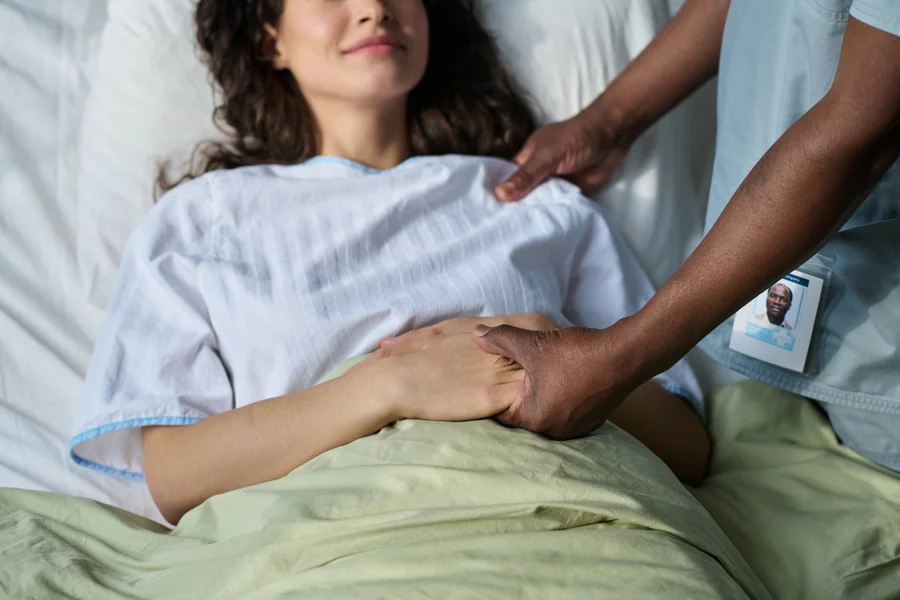
Many women struggle with endometriosis, yet they remain unaware that they have this condition. Tissue similar to that found in the uterus is also located in their abdomen or pelvis, leading to painful, heavy periods. These women often experience pelvic pain and struggle to get pregnant. Any woman who experiences pain during her period or has heavy bleeding should see her doctor to learn the underlying cause, as this is not normal.
Understanding Endometriosis
When tissue grows in places where it is not expected, endometriosis symptoms arise. These symptoms can affect a woman’s everyday life, and she may find she is unable to become pregnant because she has scarring and her fallopian tubes are blocked. Endometriosis can impact multiple body parts other than the fallopian tubes. The ovaries and the myometrium are two areas where this tissue may be found. However, some women may find the tissue growing in their intestines, vagina, or even their lungs.
Approximately 10% of females worldwide struggle with endometriosis today. It is most commonly found in women in their twenties and thirties. Fortunately, this condition can be managed with the proper treatment. A woman must alert her doctor to the symptoms she is experiencing so the right treatment plan can be developed.
Endometriosis Symptoms
To alert her doctor to the problem, a woman must know the signs of endometriosis. Pelvic pain tends to be the most prominent symptom of this condition, and some women experience mild pain while others say this pain is extremely intense. Symptoms intensify just before a woman’s period begins and continue throughout her period, typically. The intensification of these symptoms is due to hormonal changes in the body.
The female may have excruciating menstrual cramps, and she may find she has pain during sexual intercourse. Abdominal or back pain is common, and many women have light bleeding between their periods. When their period arrives, the bleeding becomes extremely heavy. Other potential signs of endometriosis include infertility, pain when urinating, diarrhea, bloating, and constipation. However, some women have no symptoms.
Women often assume that severe symptoms mean they have a bad case of endometriosis. However, that is not the case. The severity of the condition is not associated with the severity of the symptoms. Women do not need to panic if their symptoms are severe, as they may have an easily treatable case.
Endometriosis Causes
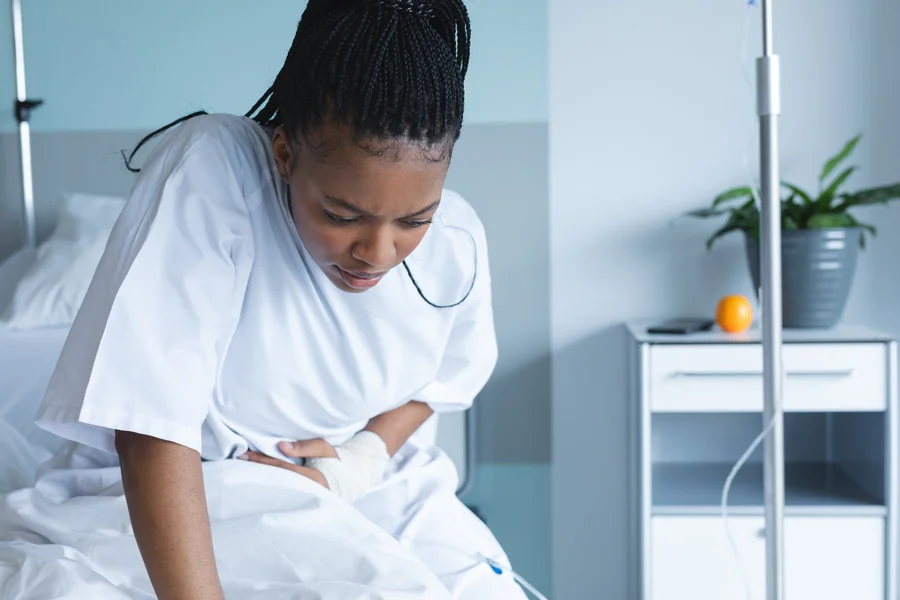
Women want to know what causes endometriosis. Researchers have yet to identify a specific cause, but believe it may be linked to conditions such as retrograde menstruation or an immune system issue. Hormone disorders may also play a role in the development of endometriosis.
One thing researcher have found is that there appears to be a genetic component. Several members of the same family may develop endometriosis. Anyone who has a close loved one with this condition should talk to their healthcare provider, as they may be at higher risk of developing it as well.
Age Considerations
Women between the ages of 20 and 40 are at the highest risk of endometriosis. Nevertheless, it may appear in teenagers. Women might also find that they obtain some relief from their endometriosis symptoms once they are in menopause, but the condition can still cause them some pain and discomfort.
Who is at High Risk?
Some women are at higher risk of developing endometriosis. As previously mentioned, there does appear to be a genetic component to this disorder. Women who have short menstrual cycles that last less than 27 days are at high risk, as are those who have periods that last 8 days or more. Women who have never had a child are also at higher risk of endometriosis.
Potential Complications
Untreated endometriosis can interfere with a woman’s daily life. Furthermore, she may struggle with infertility if this condition is not diagnosed and treated. At times, this tissue grows on or near the woman’s bladder, rectum, or intestines, which can lead to bowel and bladder issues. If the tissue appears in the lungs or diaphragm, the woman may have difficulty breathing or chest pain.
Diagnosing Endometriosis
When a woman mentions her symptoms to her doctor, the underlying cause must be determined. The doctor will need to know her medical and family history, as the genetic component will be important in making this diagnosis. The doctor will also perform a pelvic exam and may order imaging to assess the extent of the issue.
A laparoscopy may be used to examine the pelvis and biopsy tissue. During this procedure, the surgeon will also remove any tissue that they believe is contributing to the problem. However, removing this tissue may be difficult and require a more extensive procedure. For some women, however, this condition is found during a different procedure.
Treating Endometriosis
Once it has been determined that a woman has endometriosis, a treatment plan must be developed to prevent complications. The doctor will consider the severity of the condition, the woman’s age, the severity of her symptoms, and whether she plans to have children in the future. The goal is to manage the woman’s pain and safeguard her fertility. Medication and or surgery may be part of this treatment plan.
Medications the doctor might prescribe include non-steroidal anti-inflammatory drugs, birth control, gonadotropin-releasing hormone antagonist or agonist, and Danozol. Danozal is a hormonal medication that will prevent the body from producing hormones that contribute to a woman’s menstrual cycle.
If the medications do not provide the desired relief, the doctor may recommend surgery. Laparoscopic surgery is the first option to remove this problematic tissue. If this does not work, the woman may find she needs a hysterectomy. This option is only selected when the endometriosis is severe, and other treatment options have not worked.
Women should see their doctor immediately if they have any symptoms of endometriosis. If this condition is left untreated, she may develop cysts, scar tissue, and adhesions. As a result, she may struggle with severe long-term pain, particularly during her period, and may face difficulties with fertility. With proper treatment, the risk of these complications can be significantly reduced. For more health guidance and resources, visit maryelee24.

My name is Hamza Sarwar. I Am a professional content writer.